2026 Top Benefits of 316L Coiled Tubing for Global Buyers
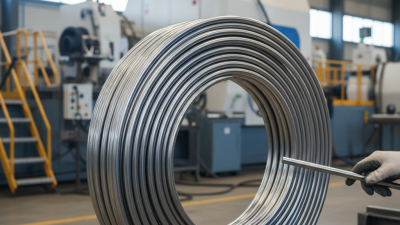
As the demand for advanced materials rises, 316L coiled tubing emerges as a vital solution for various industries. This stainless steel alloy offers exceptional corrosion resistance, making it ideal for harsh environments. Global buyers increasingly recognize its benefits, especially in oil and gas applications.
The unique properties of 316L coiled tubing contribute to durability and reliability. Its strength allows for efficient installation and operation, minimizing downtime. However, some may overlook the importance of proper handling during transportation and installation. This can lead to unexpected challenges and setbacks.
Investing in 316L coiled tubing is not just about acquiring a product; it's about ensuring long-term performance and safety. A thoughtful approach to sourcing and utilizing this material can yield significant advantages. Understanding the intricate balance between cost and quality becomes crucial for buyers navigating this complex market.
Understanding 316L Coiled Tubing: A Comprehensive Overview
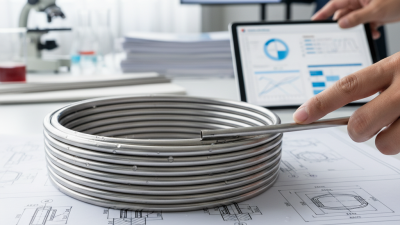
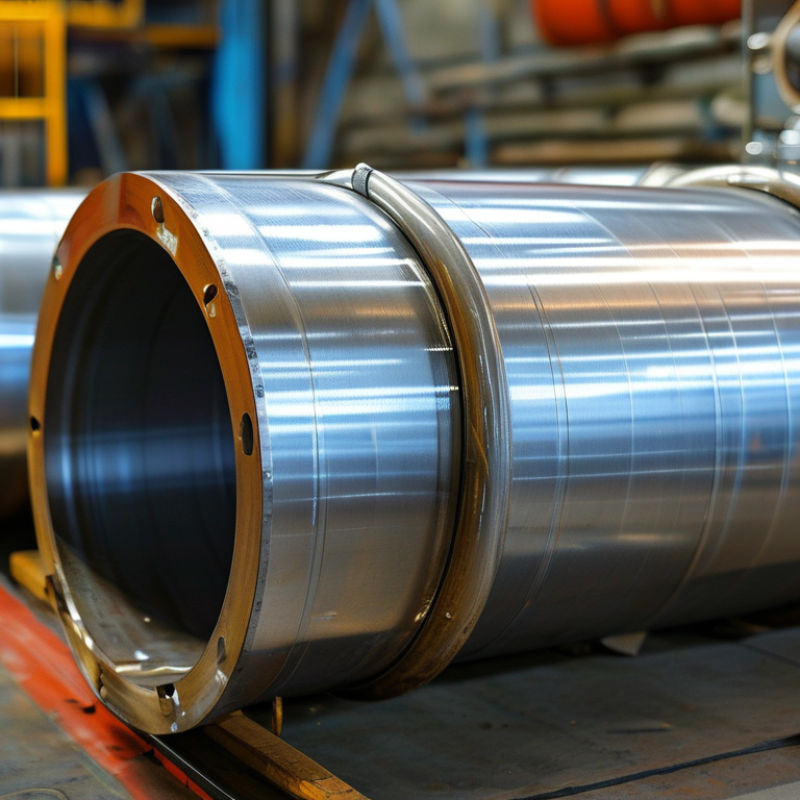
316L coiled tubing is renowned in various industries, particularly in oil and gas. It features exceptional corrosion resistance, making it a preferred choice in harsh environments. This alloy, primarily composed of nickel and chromium, offers durability and strength. It supports operations in challenging conditions. Its resistance to pitting and crevice corrosion is noteworthy. This ensures longer life spans and reduced maintenance costs.
Applications of 316L coiled tubing extend to well interventions and pipeline installations. The flexibility of coiled tubing allows for efficient maneuvering in complex underground systems. This can significantly improve drilling and extraction processes. However, not all applications may benefit equally from 316L tubing. The initial cost can be higher than alternative materials. Buyers need to weigh the benefits against the upfront investment carefully.
Understanding the unique properties of 316L coiled tubing is crucial for buyers. It's essential to assess both short-term and long-term requirements. While the material offers many advantages, it is vital to consider specific project demands. Doing so helps in making informed decisions. Balancing initial costs with potential savings in durability is an ongoing challenge. Understanding these factors leads to better project outcomes.
2026 Top Benefits of 316L Coiled Tubing
Key Advantages of 316L Coiled Tubing in Industrial Applications
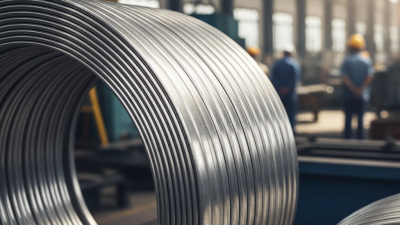
316L coiled tubing is gaining traction in various industrial applications due to its unique attributes. This stainless steel alloy boasts high resistance to corrosion and oxidation. It effectively withstands harsh environments, making it a preferred choice for oil and gas, chemical processing, and power generation sectors. Many professionals appreciate its ability to last longer than traditional tubing materials, reducing replacement costs over time.
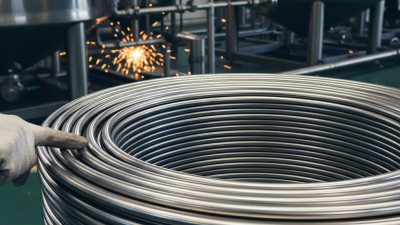
Furthermore, the mechanical properties of 316L coiled tubing enhance its performance under pressure. Its excellent tensile strength supports safe operations in high-stress conditions. Companies often note its flexibility, which simplifies handling and installation. This tubing can be easily coiled, promoting efficient transport to remote locations. Yet, as with any material, it's essential to evaluate its specifications and assess whether it's truly the best fit for your needs.
While the advantages are clear, some challenges exist. The initial investment may be higher compared to other options. It's crucial for buyers to weigh long-term savings against upfront costs. Additionally, understanding the alloy’s limits in specific applications ensures safer and more reliable use. The need for knowledge and experience in choosing the right materials cannot be overstated.
Comparative Analysis: 316L Coiled Tubing vs. Other Materials
When examining the benefits of 316L coiled tubing, a comparative analysis with other materials reveals significant advantages. Due to its low carbon content, 316L offers exceptional resistance to pitting and crevice corrosion. According to a 2022 industry report from the Corrosion Engineering Society, 316L reduces failure rates by up to 70% in harsh environments compared to carbon steel. This durability makes it ideal for chemical and oil and gas applications.
In contrast, materials like 304 stainless steel can be susceptible to chloride-induced corrosion. Reports indicate that 304 tubing may last only 3-5 years in similar corrosive scenarios. The enhanced mechanical properties of 316L, including tensile strength and elasticity, are also noteworthy. The American Society for Testing and Materials (ASTM) highlights that 316L's tensile strength can exceed 580 MPa, outlasting many alternatives in extreme conditions.
While 316L coiled tubing offers great benefits, it is not without limitations. The manufacturing process can be more expensive. This complexity may lead to longer lead times. Despite these drawbacks, the operational reliability often justifies the investment. Each project must evaluate these factors carefully to choose the right material for its specific needs.
Global Market Trends for 316L Coiled Tubing: Opportunities and Challenges
The global market for 316L coiled tubing presents both opportunities and challenges. This material is known for its corrosion resistance and strength, making it ideal for various applications. Industries such as oil and gas greatly benefit from its durability in harsh environments. Buyers are increasingly recognizing these advantages, especially when selecting materials that ensure longevity under extreme conditions.
However, challenges persist in the market. Fluctuating raw material prices can impact production costs. Additionally, buyers may face difficulties related to supply chain stability. Many suppliers struggle to maintain consistent quality. This inconsistency can lead to frustration and uncertainty. Companies often need to weigh their options carefully. Ultimately, making informed decisions is crucial in navigating these market dynamics. Understanding these factors can enhance strategic planning and promote better investment.
2026 Top Benefits of 316L Coiled Tubing for Global Buyers - Global Market Trends for 316L Coiled Tubing: Opportunities and Challenges
| Benefit |
Description |
Opportunities |
Challenges |
| Corrosion Resistance |
316L grade provides enhanced resistance to pitting and crevice corrosion. |
Increasing demand in marine and chemical processing industries. |
Fluctuations in raw material prices affecting production costs. |
| High Strength |
Higher tensile strength compared to other tubing materials, allowing for thinner walls. |
Potential for lighter and more efficient designs in various applications. |
Competition from alternative materials offering lower costs. |
| Versatility |
Suitable for a variety of applications, including oil & gas, aerospace, and healthcare. |
Expansion into emerging markets with diverse industrial needs. |
Regulatory hurdles in different regions may impact market entry. |
| Longer Lifespan |
Extended service life due to excellent resistance to oxidation and sulfidation. |
Cost savings for buyers through reduced maintenance and replacement rates. |
Initial investment costs may deter some potential buyers. |
| Ease of Fabrication |
316L can be easily welded and formed into different configurations. |
Customization opportunities for specific client needs. |
Training requirements for optimal handling and fabrication practices. |
Future Outlook: Innovations in 316L Coiled Tubing Technology
The future of 316L coiled tubing technology looks promising. Innovations in materials and processing techniques continue to enhance its performance in challenging environments. According to a recent market analysis, the demand for 316L coiled tubing is projected to grow by 4.5% annually through 2030. This growth is driven by the oil and gas sector, where corrosion resistance is crucial.
New manufacturing methods are being developed to improve the quality and consistency of 316L tubing. Advanced welding techniques and quality control practices are leading to stronger joints and fewer failures. This innovation reduces maintenance costs and downtime, maximizing productivity for users.
Tips: Regularly assess your supply sources. Ensure they adhere to the highest quality standards. Performance can vary significantly among different suppliers. Additionally, invest in training for your teams. Understanding material properties enhances decision-making.
Industry reports highlight the significance of 316L’s low carbon content. This feature helps prevent carbide precipitation during welding. However, challenges remain, such as the need for ongoing innovation to meet evolving market demands. Stakeholders must remain vigilant and adaptable, embracing new technologies while addressing current limitations. Balancing these aspects will be vital for sustained growth in the coiled tubing market.