Top 10 Benefits of Stainless Steel Seamless Steel Coiled Pipe?
The stainless steel seamless steel coiled pipe industry plays a pivotal role in various sectors, including construction and energy. According to a market research report by Grand View Research, the demand for seamless steel pipes has been growing steadily, projected to reach USD 440 billion by 2025. This growth is driven by their superior mechanical properties and corrosion resistance, making them ideal for high-pressure applications.
Stainless steel seamless steel coiled pipes are known for their robust performance in extreme environments. They exhibit excellent durability and can withstand temperature fluctuations, which is crucial in industries such as oil and gas. Recent data indicates that these pipes reduce maintenance costs by up to 30%, underscoring their reliability.
Yet, challenges remain. The high initial cost of stainless steel seamless steel coiled pipes can deter some manufacturers. Additionally, sourcing quality materials is essential for maintaining integrity and performance. These factors necessitate careful consideration and reflection within the industry. By weighing the advantages alongside potential drawbacks, companies can make informed decisions about their materials.
Key Characteristics of Stainless Steel Seamless Coiled Pipe
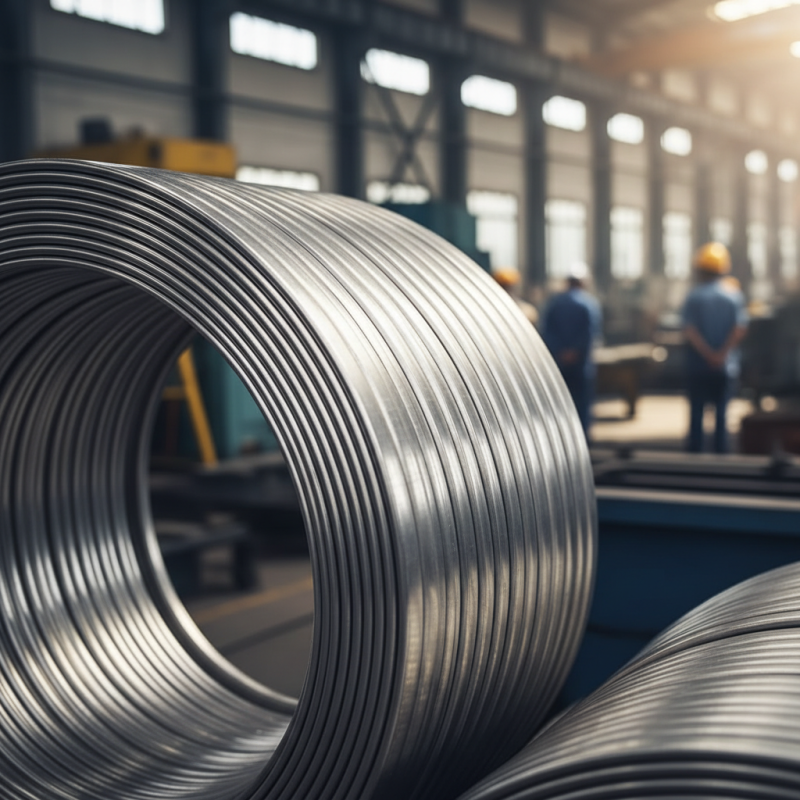
Stainless steel seamless coiled pipes have become a staple in various industries due to their unique characteristics. One notable feature is their excellent corrosion resistance. According to the International Stainless Steel Forum, stainless steel can resist corrosion in harsh environments, making it suitable for applications in chemical processing and oil refineries. This resistance extends the lifespan of the pipes, reducing the need for frequent replacements.
Another important characteristic is the high strength-to-weight ratio. These pipes are lightweight yet strong, which facilitates easy handling and installation. The American Institute of Steel Construction states that using lighter materials can improve efficiency during transportation and construction phases, ultimately lowering project costs. However, it is crucial to ensure that the chosen grade of stainless steel meets the specific requirements of your project to maintain structural integrity under load.
The non-reactive nature of stainless steel is also significant. This property allows it to be used in applications where purity is vital, such as in food and pharmaceutical industries. Yet, industries must remain vigilant about selecting high-quality raw materials. Subpar materials can lead to unanticipated failures. Overall, while stainless steel seamless coiled pipes offer remarkable benefits, careful material selection and quality assurance are key to maximizing their effectiveness.
Durability and Corrosion Resistance of Stainless Steel Materials
Stainless steel seamless coiled pipes are known for their exceptional durability. This durability stems from the inherent properties of stainless steel. Unlike traditional pipes, these materials do not easily succumb to wear and tear. They withstand high pressure and extreme temperatures, making them ideal for various applications.
Corrosion resistance is a key advantage of stainless steel. It contains chromium, which forms a protective layer against rust and oxidation. This ensures longevity, even in harsh environments. Facilities like oil refineries and chemical plants rely on this feature to maintain safety and efficiency.
However, it's essential to consider maintenance. While stainless steel is resistant, it is not indestructible. Incorporating regular inspections can prevent unnoticed damage. Moreover, the environmental impact of manufacturing these pipes should not be overlooked. Understanding these aspects can lead to more sustainable practices in industrial use.
Top 10 Benefits of Stainless Steel Seamless Steel Coiled Pipe
| Benefit |
Description |
Application Areas |
| Durability |
Stainless steel coiled pipes are known for their strength and longevity under various conditions. |
Construction, Automotive, Marine |
| Corrosion Resistance |
They resist rust, oxidation, and discoloration, ensuring a clean appearance over time. |
Chemical Processing, Oil & Gas |
| Versatility |
Can be used in a variety of applications across multiple industries. |
Food Processing, Pharmaceuticals |
| Cost-Effective |
Longer lifespan means reduced replacement and maintenance costs. |
Infrastructure, Utilities |
| Hygienic Properties |
Easy to clean and maintain, important for sanitary applications. |
Food and Beverage, Health Care |
| High Temperature Resistance |
Maintains structural integrity even at elevated temperatures. |
Aerospace, Power Generation |
| Recyclability |
Stainless steel is 100% recyclable, reducing environmental impact. |
Sustainable Manufacturing |
| Aesthetic Appeal |
Modern and sleek appearance, suitable for various designs. |
Architecture, Interior Design |
| Seamless Design |
No welds ensure uniform strength and pressure resistance. |
Piping Systems, Hydraulic Applications |
Cost-Effectiveness Over Time: A Financial Analysis
Cost-effectiveness is a crucial factor when evaluating materials like stainless steel seamless coiled pipes. These pipes tend to have a higher initial cost compared to alternatives. However, their long-term benefits often outweigh these upfront expenses. Stainless steel is durable and resistant to corrosion. This durability leads to less frequent replacements, saving costs over time.
Additionally, seamless pipes require less maintenance. Their smooth interior minimizes buildup and lowers the risk of clogs. This efficiency can lead to reduced operational downtime, which is often costly. Investing in these pipes may seem steep but can result in significant savings in maintenance and operational costs.
Some industries might hesitate, fearing the initial investment. It's important to reflect on the long-term savings. Analyzing the total cost of ownership is essential. This includes initial costs, maintenance expenses, and potential downtime. A clear financial analysis will reveal that choosing stainless steel can be economically wise in the long run.
Applications in Various Industries: Why Seamless Pipes Are Preferred
Stainless steel seamless coils are essential in various industries. Their unique properties make them ideal for applications in oil and gas, automotive, and construction. These industries benefit from the durability and strength of seamless pipes.
In oil and gas extraction, seamless pipes minimize the risk of leaks. They can handle high pressure and temperature variations. This reliability is crucial for operational safety. In the automotive sector, seamless steel pipes are used for exhaust systems and chassis components. Their lightweight yet strong structure improves vehicle performance and fuel efficiency.
**Tip:** Regular maintenance checks can enhance the lifespan of seamless pipes. Ensure proper insulation to prevent corrosion in harsh environments.
In construction, seamless pipes serve as structural materials. They are often specified for projects that demand high strength and reliability. Using stainless steel also contributes to sustainability. Its inherent recyclability makes it an eco-friendly choice for modern infrastructure.
**Tip:** Research the specific requirements of your project before selecting pipe dimensions. This can save resources and costs in the long run.
Top 10 Benefits of Stainless Steel Seamless Steel Coiled Pipe
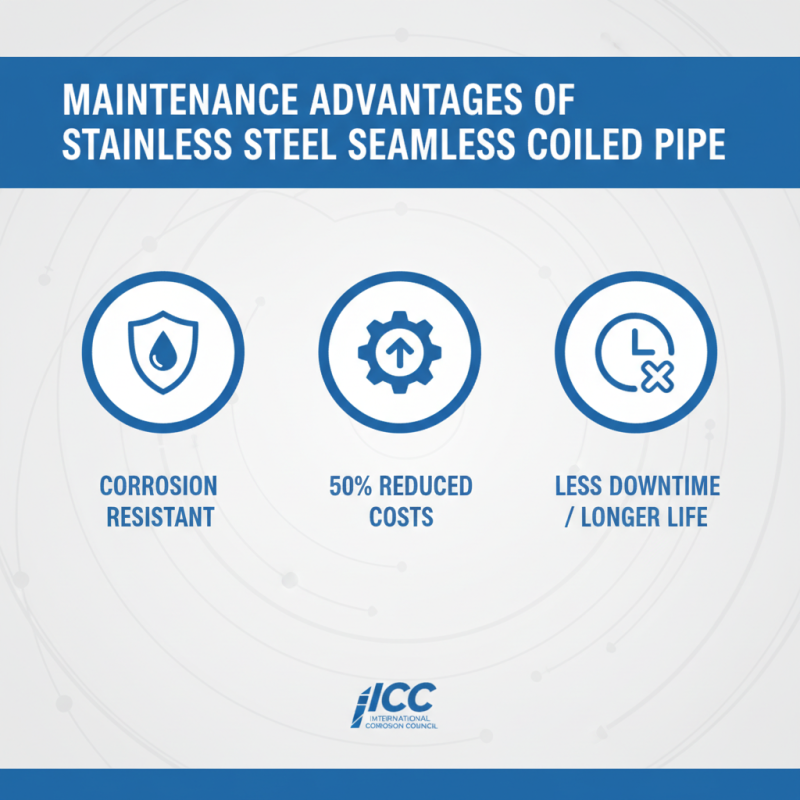
Maintenance Advantages of Stainless Steel Seamless Coiled Pipe
Stainless steel seamless coiled pipes offer significant maintenance advantages. They are highly resistant to corrosion, which is crucial in various industrial environments. A report from the International Corrosion Council indicates that stainless steel can reduce maintenance costs by up to 50% compared to traditional materials. This durability means less frequent replacement and lower downtime.
Moreover, their smooth internal surfaces minimize friction and buildup. This feature enhances fluid flow while reducing the risk of clogs. The consistent quality of seamless pipes can also lead to fewer leaks, which is a major concern in many operations. The added longevity of these pipes reduces the need for regular inspections, streamlining maintenance processes.
Despite these benefits, there are challenges. The initial cost of stainless steel seamless coiled pipes can be higher than other materials. Some industries may hesitate due to budget constraints. Balancing the upfront expenses with long-term savings requires careful analysis. Companies must weigh these factors when selecting their piping solution, ensuring they are informed about the trade-offs involved.