Top 10 Tips for Sourcing 304 Steel Tube Efficiently
When sourcing 304 Steel Tube, efficiency is key to success. This versatile material is widely used across various industries. Its corrosion resistance and durability make it a popular choice. However, knowing how to source it effectively can make a significant difference in your project outcomes.
Many professionals overlook the importance of reliable suppliers. Building strong relationships with trusted manufacturers is crucial. Pay attention to quality assurance practices and certification. This ensures that you receive materials that meet required standards. Don't just focus on price; consider the overall value.
Implementing strategic sourcing practices can reduce lead times. Efficient logistics play a significant role in maintaining your project timelines. Reflect on your current sourcing methods and be open to improvements. Efficiency in sourcing 304 Steel Tube is not just about finding the lowest price; it’s about finding the right balance between quality and cost.
Understanding the Properties and Applications of 304 Steel Tube
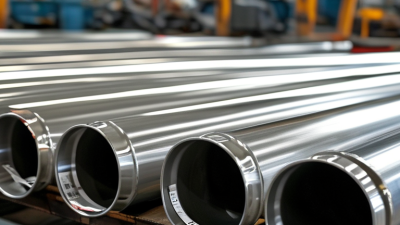
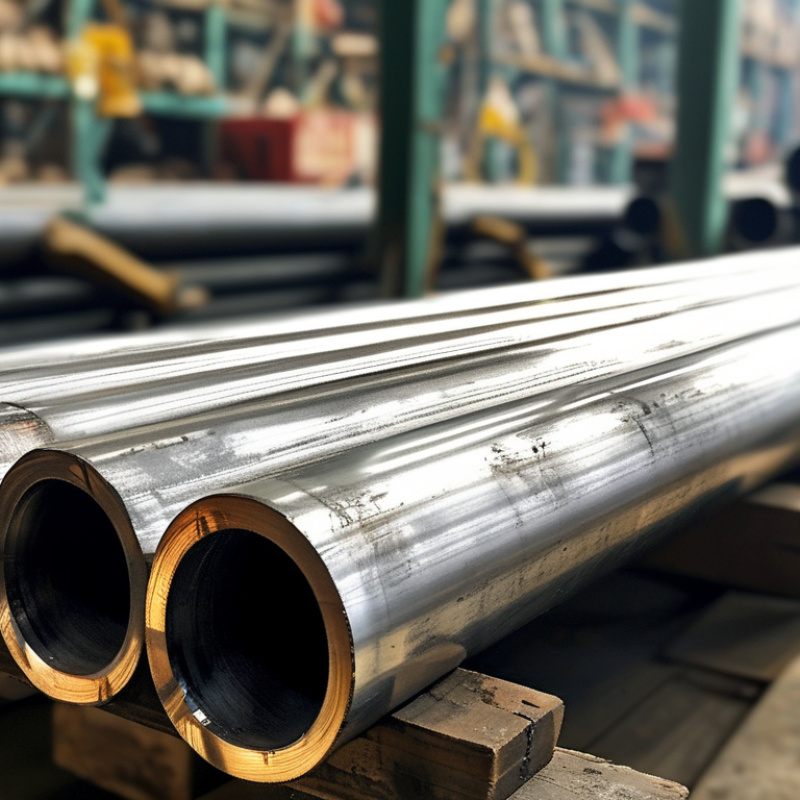
304 stainless steel tube is widely used due to its excellent properties. This alloy contains chromium and nickel, which enhance its corrosion resistance. It is non-magnetic and exhibits good weldability. These traits make it suitable for various applications, including kitchen equipment, chemical containers, and structural components.
When sourcing 304 steel tubes, consider their size and wall thickness. Proper dimensions are crucial for the intended application. Different projects might require specific tolerances. Check with suppliers about their production capabilities to ensure quality.
Another essential factor is the tube's surface finish. A smooth finish enhances corrosion resistance, making the product suitable for food and medical applications. Understanding this can help in choosing the right tube for your needs. Many suppliers offer customization options, but this can complicate sourcing. Always clarify your requirements before finalizing any deal.
Identifying Reliable Suppliers for 304 Steel Tube Sourcing
When sourcing 304 steel tubes, identifying reliable suppliers is crucial. Start by researching potential options online. Look for suppliers with a strong track record and positive customer feedback. Check industry forums and websites to gather insights. Often, word-of-mouth recommendations can lead to trustworthy sources you may not find during your initial search.
Another vital aspect is verifying quality certifications. Reliable suppliers should provide documentation proving their compliance with industry standards. Request samples to assess the quality directly. A visually appealing product does not always indicate high standards. Be cautious of prices that seem too low; they may reflect subpar materials or manufacturing practices. It's essential to maintain open communication with suppliers. Ask questions about their production processes, lead times, and delivery options. This dialogue can reveal their commitment to service and quality.
Pay attention to reviews and testimonials but consider their context. A single negative review can misrepresent a supplier's overall reliability. Inspect their return policies and warranty offerings as well. This could be a turning point in your decision-making process. Trust is built over time, and the right supplier will demonstrate consistency and transparency.
Evaluating Cost Factors in 304 Steel Tube Procurement
When sourcing 304 steel tubes, evaluating cost factors is crucial. Material cost is often the most significant part of procurement. Prices can vary widely based on market demand and global supply chains. For example, fluctuations in nickel prices directly impact 304 stainless steel costs. Understanding these dynamics can help make informed purchasing decisions.
Logistics also plays a vital role in total expenses. Shipping fees and lead times from suppliers can significantly affect the overall budget. If the procurement process does not factor in these elements, the costs can escalate unexpectedly. It's essential to consider local sourcing options, as this might reduce both lead times and shipping costs. However, local suppliers may not always offer competitive prices, so careful comparison is necessary.
Another area often overlooked is the quality assurance process. Higher quality may come with a premium price tag but can lead to long-term savings. Issues with materials may result in costly delays or replacements. Therefore, investing in quality assurance measures is worth considering. Effective procurement involves a delicate balance between cost and quality, requiring thoughtful evaluation of each factor.
Assessing Quality Standards for 304 Steel Tube Products
When sourcing 304 steel tubes, quality is paramount. Various standards govern these products, including ASTM A213 and ASTM A269. These standards ensure that the tubes meet specific mechanical properties and corrosion resistance requirements. For instance, 304 stainless steel typically boasts a tensile strength of around 70,000 psi and good ductility, making it suitable for numerous applications.
Understanding these standards helps in selecting the right suppliers. According to a report by the Steel Manufacturers Association, 75% of sourcing decisions in the steel industry depend on product quality. Buyers should look for certifications that confirm compliance with industry standards. Documents such as mill test reports provide crucial insight into the chemical composition and mechanical properties of the steel.
However, not all suppliers are transparent. Some may provide incomplete documentation or vague claims about quality. It’s essential to perform due diligence. Requesting samples can reveal inconsistencies and hidden flaws. Additionally, engaging with third-party inspectors can further validate quality adherence. Balancing cost and quality requires careful consideration, as compromising on standards can lead to costly issues down the line.
Top 10 Tips for Sourcing 304 Steel Tube Efficiently - Assessing Quality Standards for 304 Steel Tube Products
| Tip |
Description |
Quality Standard |
Considerations |
| 1 |
Verify Material Certifications |
ASTM A240, ASTM A269 |
Check for authenticity and compliance with specifications. |
| 2 |
Inspect Dimensions and Tolerances |
ISO 2768 |
Ensure products meet required size specifications. |
| 3 |
Evaluate Surface Finish |
Ra Value Measurement |
A smooth surface is often critical for applications. |
| 4 |
Check for Structural Integrity |
Non-Destructive Testing (NDT) |
Look for signs of defects or weaknesses. |
| 5 |
Assess Corrosion Resistance |
ASTM A262 |
Ensure tubes can withstand environmental stresses. |
| 6 |
Review Impact Strength |
Charpy Test |
Strength under sudden forces is crucial in many applications. |
| 7 |
Consider Heat Treatment |
Annealing Process |
Proper treatment can enhance material properties. |
| 8 |
Analyze Welding Compatibility |
Welding Procedures |
Assess how well steel works in welded applications. |
| 9 |
Look for Sustainable Sourcing |
Recycled Materials |
Ensure the sourcing of eco-friendly steel. |
| 10 |
Verify Supplier Reputation |
Customer Reviews & Certifications |
A reliable supplier guarantees quality and service. |
Exploring Logistics and Delivery Options for 304 Steel Tube Sourcing
When sourcing 304 steel tube, logistics play a crucial role in the overall efficiency of the process. According to industry reports, nearly 30% of sourcing costs are attributed to logistics. This makes it essential to optimize shipping methods and routes. Choosing the right transport mode can significantly impact delivery times and costs. For example, air freight offers speed but can be expensive, while sea freight is more economical but slower.
Understanding the local distribution network is vital. Companies that map out their logistics pathways can reduce lead times. Research shows that businesses with strong logistics strategies achieve a 15% lower total cost of operations. This strategy includes selecting reliable carriers and having contingency plans for unexpected delays. Proper inventory management can also mitigate risks associated with shipping uncertainties.
There are challenges too. Unforeseen supply chain disruptions can lead to delays, impacting project timelines. Incorporating real-time tracking technology can provide better visibility. However, integrating these systems comes with a cost that some firms may hesitate to bear. Finding a balance between cost and effectiveness is key for successful 304 steel tube sourcing.
Top 10 Tips for Sourcing 304 Steel Tube Efficiently