Top 5 Tips for Choosing 304L Steel Pipe for Your Projects?
When selecting materials for your projects, the choice of 304L steel pipe can be crucial. This specific type of stainless steel offers durability and corrosion resistance, making it a popular choice in various industries. However, not all 304L steel pipes are created equal. It’s essential to consider several factors to ensure you make the right selection for your needs.
Quality matters. Different suppliers may offer varying grades of 304L steel pipes. Look for reputable manufacturers who provide certifications for their products. Specifications such as thickness, diameter, and chemical composition significantly affect performance. Pay attention to the intended application.
Think about your project requirements. These pipes can be used in construction, plumbing, or food processing. Each usage demands specific features. Test and reflect on what works best for your specific circumstances. Choosing the right 304L steel pipe can save costs and time in the long run. Don't overlook how essential these factors can be in your decision-making process.
Understanding the Composition and Characteristics of 304L Steel
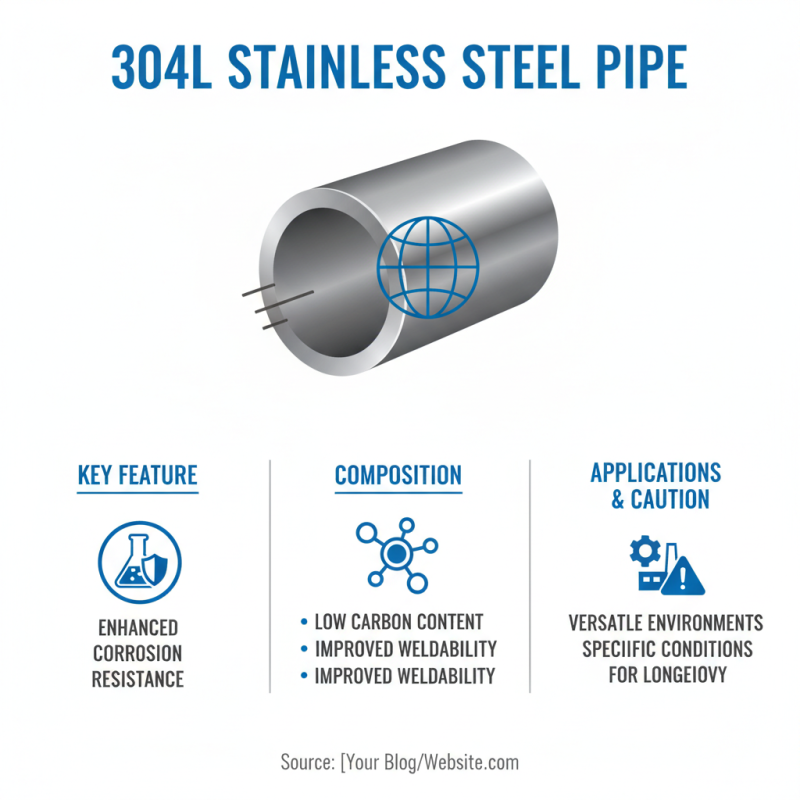
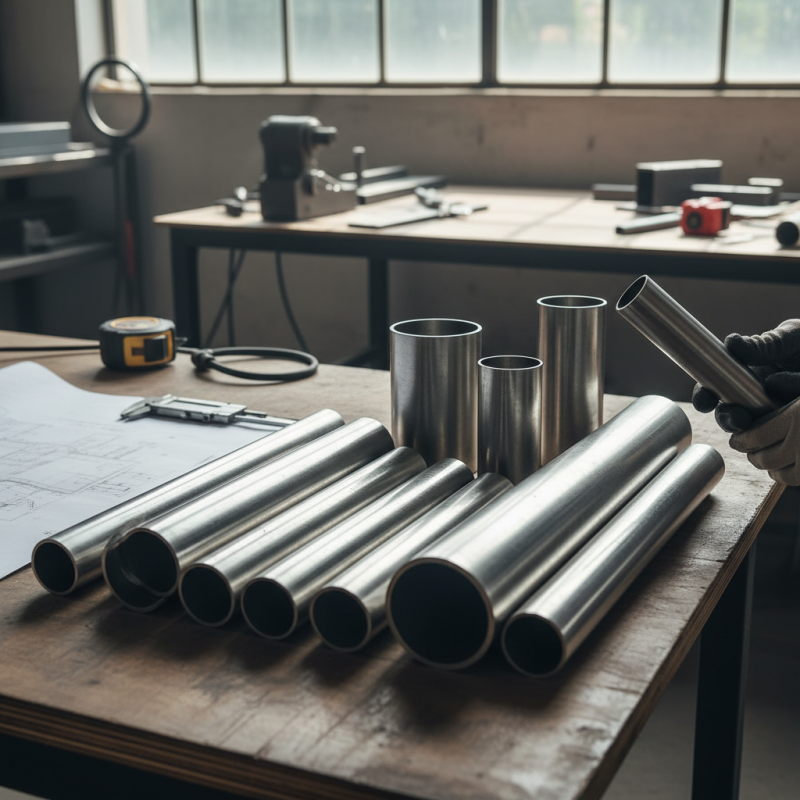
When selecting 304L steel pipes for your projects, understanding its composition is crucial. This type of stainless steel contains approximately 18% chromium and 8% nickel. These elements give it excellent corrosion resistance and durability. 304L has a lower carbon content, which enhances its weldability. This characteristic is especially important for projects that require precise joints.
The low carbon content also provides an advantage in high-temperature environments. However, although it's resistant to oxidation, it's not completely immune. In harsh conditions, it might still corrode. Therefore, evaluating the specific environment of your project before choosing 304L is important. Consider factors such as temperature and exposure to chemicals. Each project could have unique requirements.
Another aspect to reflect on is the pipe's mechanical properties. They might not always align with your project needs. 304L pipes offer good tensile strength but might not hold up under extreme stress. It’s essential to analyze whether this steel grade fits your requirements. This reflection can prevent future complications.
Top 5 Tips for Choosing 304L Steel Pipe for Your Projects
| Tip |
Description |
Importance |
Considerations |
| 1. Assess the Corrosion Resistance |
Evaluate the environment where the pipe will be used to ensure it can withstand corrosion. |
High |
Consider potential exposure to salt, chemicals, or moisture. |
| 2. Check the Mechanical Properties |
Look into the tensile strength, yield strength, and hardness of 304L steel. |
Medium |
Determine if the mechanical properties meet your project requirements. |
| 3. Consider the Pipe Size |
Select the appropriate diameter and wall thickness according to your needs. |
High |
Ensure compatibility with fittings and other components. |
| 4. Evaluate Fabrication Capabilities |
Consider how easily the 304L steel can be processed and welded. |
Medium |
Check if additional processing is required for your project. |
| 5. Compare Costs |
Analyze the price of 304L steel against other materials and grades. |
High |
Consider long-term durability versus initial costs. |
Evaluating the Corrosion Resistance of 304L Steel for Various Environments
When selecting 304L steel pipe, understanding its corrosion resistance is crucial. This type of stainless steel has lower carbon content, enhancing its weldability. It performs well in various environments, but it is essential to evaluate specific conditions that could affect its longevity.
In coastal areas, 304L can resist rust better than many carbon steels. However, chloride exposure can lead to pitting corrosion. This can be a concern if your project involves marine environments. Assessing local weather patterns and salt concentrations is vital. If your pipeline will face high humidity or industrial exposure, testing the material against those specific conditions is important.
While 304L offers good resistance in many scenarios, it’s not invincible. Remember, it may not be the best choice for highly acidic or alkaline environments. Regular inspections and maintenance can help extend the life of 304L pipe. Understanding these details assists in making informed decisions for your projects.
Recognizing the Importance of Pipe Diameter and Wall Thickness Standards
When selecting 304L steel pipe, understanding diameter and wall thickness is crucial. These factors directly influence the pipe's performance. A suitable diameter allows for efficient fluid flow. Too small, and you risk pressure loss. Too large, and you may waste material and resources.
Wall thickness also plays a significant role. Thicker walls offer more strength but add weight. This could affect installation methods and overall project costs. Balancing strength and weight can be challenging. Sometimes, it’s easy to overlook one for the other, leading to potential project setbacks.
Consider the specific needs of your application. Will the pipe face high pressure or corrosive environments? These questions should guide your choices. The standard sizes can shift based on regional regulations, so be informed. Every project is unique, and a one-size-fits-all approach may lead to issues down the line. It's essential to take your time and reflect on each decision for the best outcome.
Pipe Diameter and Wall Thickness Standards for 304L Steel Pipe
This chart illustrates the standard sizes of pipe diameter and wall thickness for 304L steel pipes. Understanding these dimensions is crucial for selecting the right pipe for your projects.
Assessing Cost-Effectiveness: Comparing 304L with Other Stainless Steels
When considering 304L stainless steel pipe for projects, cost-effectiveness is crucial. Its low carbon content provides excellent resistance to corrosion. This feature makes it a popular choice compared to other stainless steels. However, the price may vary due to market demands. Evaluating the right grade against your project requirements matters a lot.
304L offers a balance of price and performance. Yet, the initial investment might seem higher than other materials. It's essential to weigh the long-term benefits. For instance, lower maintenance costs save money over time. If the project doesn’t require high corrosion resistance, other alloys might suffice. Identifying the specific needs can lead to better financial decisions.
Choosing 304L over alternatives isn’t always straightforward. Sometimes, it’s easy to overlook cheaper options. However, assessing durability and application can reveal hidden costs. Understanding how these factors impact your overall budget is vital. Ultimately, it’s about finding the right material for the job without compromising quality.
Identifying Reliable Suppliers and Certifications for 304L Steel Pipe
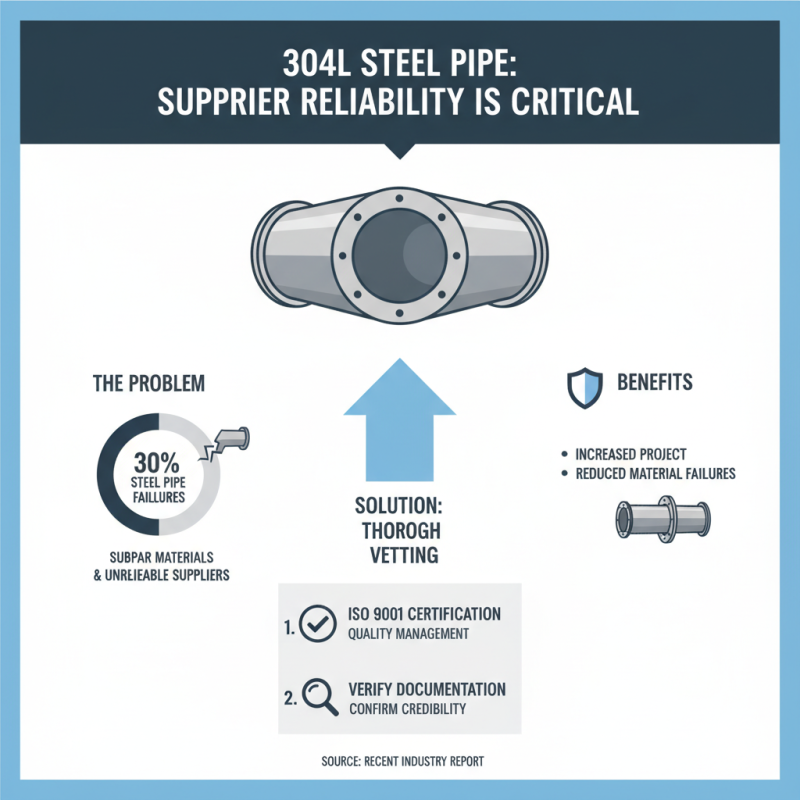
When selecting 304L steel pipe for your projects, the reliability of suppliers is critical. A recent industry report highlighted that nearly 30% of steel pipe failures are linked to subpar materials and unreliable suppliers. This underscores the importance of thorough vetting processes. Look for suppliers with ISO 9001 certification, as this standard ensures they meet quality management requirements. Verify their certification documentation to confirm credibility.
In addition, it’s essential to assess the suppliers’ testing procedures. A reputable supplier should perform mechanical and chemical testing on their materials. According to the American Society for Testing and Materials (ASTM), 304L steel should meet specific mechanical property thresholds. Ensure your supplier adheres to ASTM A312 standards. This attention to detail can mitigate risks associated with inferior materials.
Lastly, feedback from previous customers can provide valuable insights. Many projects have faced delays due to improper sourcing. Gathering testimonials about delivery timelines and material quality can guide your decision-making. In a time when product quality is paramount, reliable partners stand out, but they may not always be easy to find.