Top 10 Benefits of Using 304l Steel Pipe in Construction and Manufacturing?
In the world of construction and manufacturing, the choice of materials can significantly impact project outcomes. “304L steel pipe offers outstanding corrosion resistance and strength,” says John Smith, a leading expert in steel fabrication. His insights highlight the fundamental advantages of using 304L steel pipes in various applications.
The 304L steel pipe is known for its versatility and durability. It remains a preferred choice in industries where strength and resistance to harsh environments are crucial. From chemical processing plants to water treatment facilities, these pipes are integral to efficient operations. However, it's essential to reflect on the challenges. Despite their benefits, 304L steel pipes can sometimes be more expensive compared to alternatives. This cost factor merits careful consideration during project planning.
Moreover, while 304L steel pipes are robust, they can be susceptible to specific environmental conditions. For instance, exposure to certain acids may require additional treatment. Overall, using 304L steel pipes demands an awareness of both their advantages and limitations. Making informed decisions can lead to successful project completion.
Advantages of 304L Steel Pipe Over Other Materials in Construction
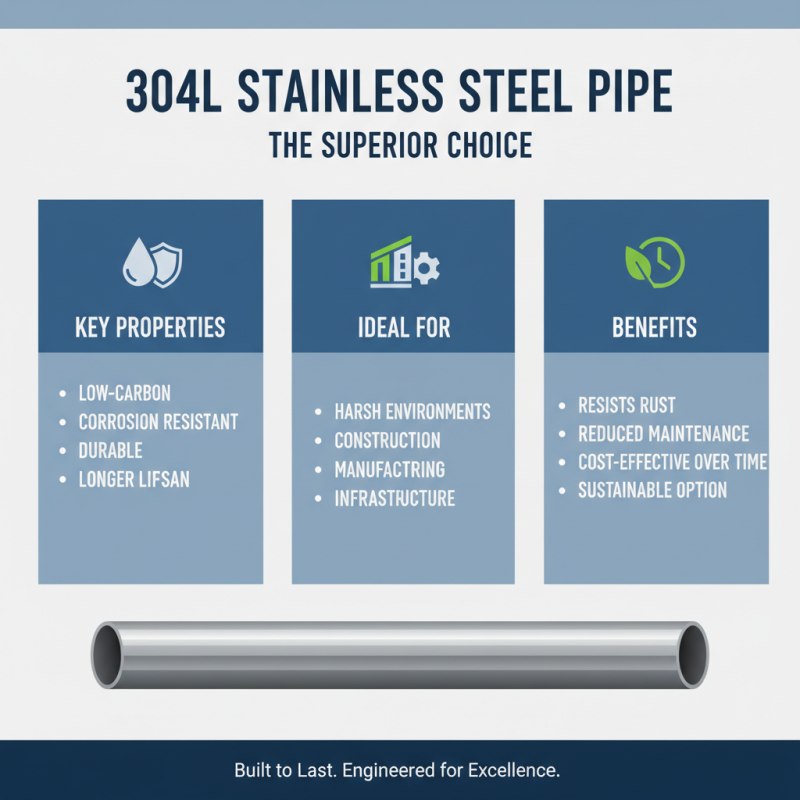
304L steel pipe stands out in construction and manufacturing due to its unique properties. This low-carbon stainless steel provides excellent corrosion resistance, making it ideal for projects exposed to harsh environments. Builders often choose 304L for its durability. Unlike carbon steel, it does not rust easily, which ensures a longer lifespan for structures.
Another key advantage is its weldability. 304L can be welded without losing its strength. This feature simplifies the construction process, allowing for faster assembly. However, welding requires some expertise to avoid issues. Poorly executed welds can lead to vulnerabilities. Attention to detail during fabrication is critical to maximize the benefits.
Moreover, 304L steel pipe is quite versatile. It can be used in various applications, from piping systems to architectural elements. This versatility is a double-edged sword. While it fits many needs, improper selection for specific applications may result in performance issues. Designers must assess their requirements thoroughly. Overall, the benefits of 304L steel pipe are substantial, yet they demand careful consideration to ensure successful implementation.
Corrosion Resistance and Longevity of 304L Steel in Harsh Environments
304L stainless steel is renowned for its impressive corrosion resistance, especially in harsh environments. This low-carbon variant of 304 stainless steel retains high levels of chromium and nickel, which make it less prone to pitting and crevice corrosion. According to a study published in the Journal of Materials Engineering, 304L shows a notable decrease in corrosion rates compared to standard 304 stainless steel, particularly in saltwater and acidic conditions.
In industries such as construction and manufacturing, the longevity of materials is critical. Properties of 304L steel allow it to withstand extreme weather and chemical exposure. The Corrosion Engineering Society reported that structures made from 304L steel can last over 50 years in marine environments, where traditional steels would quickly fail. However, the material’s effectiveness may diminish if improper welding techniques are applied, leading to potential weak points. This calls for careful consideration during installation and maintenance.
While 304L steel is robust, it is not entirely immune to corrosion. Environmental factors and heavy loads can still affect its integrity. Regular inspections are necessary. Anomalies like localized corrosion can develop, impacting long-term performance. Users must remain aware of the limitations and ensure proper handling to maximize the benefits of 304L steel pipes in their applications.
Cost Efficiency: Long-Term Savings from Using 304L Steel Pipes
In construction and manufacturing, the choice of materials can make a significant impact. 304L steel pipes are a popular option due to their cost efficiency. These pipes offer a blend of durability and affordability. Reports suggest that using stainless steel in pipes can result in savings of up to 30% over time, especially in corrosive environments.
One notable detail is the long lifespan of 304L steel pipes. They can last more than 25 years with proper maintenance. This reduces the need for frequent replacements, leading to lower material costs. Additionally, maintenance expenses are often less due to resistance to corrosion and rust. However, it's essential to consider that initial costs might still be higher than alternatives.
Reflecting on the overall benefits, the economic aspect is compelling. Less frequent replacements mean fewer disruptions in projects. The initial investment pays off when considering the total lifecycle. Although 304L steel pipes have many advantages, potential buyers should compare with other materials to ensure the best choice for their specific needs.
Versatility of 304L Steel Pipe in Various Industrial Applications
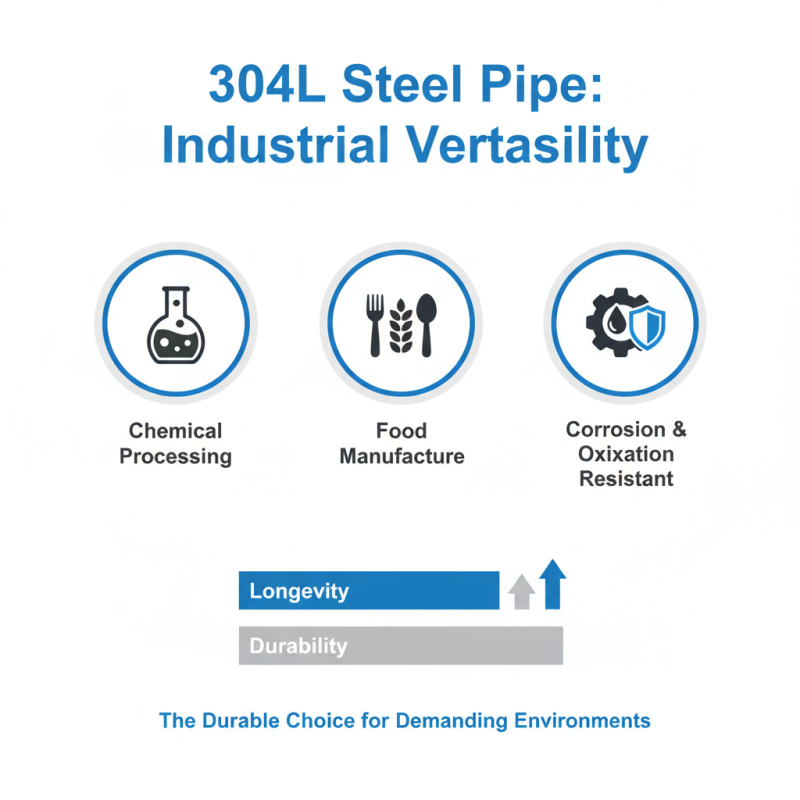
The versatility of 304L steel pipe makes it a top choice in various industrial applications. This type of stainless steel is resistant to corrosion, which is essential in many environments. It’s often used in chemical processing and food manufacture. The ability to resist oxidation ensures longevity and durability even under challenging conditions.
In construction, 304L steel pipes are favored for their strength. They can withstand heavy loads, making them ideal for structural projects. Some manufacturers find that while 304L pipes are durable, they can be more expensive than other materials. This often leads to hesitation. Choosing 304L steel can mean higher initial costs, but longevity often offsets these concerns. In industries like oil and gas, the reliability of 304L steel can’t be overlooked.
Ease of Fabrication and Installation of 304L Steel Pipe in Projects
304L steel pipe stands out in construction and manufacturing due to its ease of fabrication and installation. The material is often preferred for its excellent corrosion resistance and strength. These properties make it suitable for various applications. Crafting 304L steel pipes is relatively simple, requiring fewer tools and skills compared to other materials. This can lead to faster project completion times.
Installation is another area where 304L shines. Its lightweight nature allows for easy handling, reducing installation time. Projects often benefit from lower labor costs. Workers can transport and position the pipes without the need for heavy machinery. However, proper training is still essential. Inspecting the pipes for imperfections during installation is crucial.
Tips for working with 304L include ensuring clean cut ends. Welding is easier when edges are smooth. Always check for burrs or sharp edges before starting. This minimizes issues during assembly. Regular tool maintenance is critical, too. Dull tools can lead to rough cuts, complicating installation. Being mindful of these aspects can make a notable difference in project efficiency.
Top 10 Benefits of Using 304L Steel Pipe in Construction and Manufacturing