2026 Top Trends in Stainless Steel Seamless Steel Pipe Industry?
The stainless steel seamless steel pipe industry is evolving rapidly. In 2026, new trends are set to shape its landscape. These trends reflect technological advancements and market demands.
Stainless steel seamless steel pipes offer durability, versatility, and resistance to corrosion. Industries from construction to automotive heavily rely on them. However, challenges remain. The manufacturing process must adapt to sustainability practices. There is a need for more efficient production methods.
Emerging technologies present opportunities yet also demands reflection. Companies must reconsider supply chains and resource management. The industry must balance innovation with environmental responsibility. This is the dual challenge for 2026 and beyond.
Emerging Technologies Driving Stainless Steel Seamless Pipe Production
The stainless steel seamless pipe industry is undergoing significant advancements driven by emerging technologies. Automation in manufacturing processes is leading the charge. As reported by industry analysis, automation can enhance productivity by over 30%. This shift reduces labor costs and minimizes human error in production.
3D printing technology is also gaining momentum. This innovative method allows for the creation of complex pipe geometries. With this, manufacturers can reduce material waste by approximately 20%. The need for custom solutions is rising, further pushing this trend forward.
Sustainability remains a crucial concern. According to recent reports, the eco-friendly production processes can save up to 40% in energy consumption. However, not all companies are adapting quickly. Some struggle with integrating these technologies. This reluctance can slow progress in the industry. The path forward requires commitment and investment in new tech.
Market Demand Trends Influencing the Stainless Steel Seamless Pipe Industry
The stainless steel seamless pipe industry is witnessing a surge in demand, driven by various market trends. According to recent reports, the global market for stainless steel seamless pipes is projected to reach $10 billion by 2026, growing at a CAGR of over 6%. This growth is largely influenced by the rise in construction and automotive industries, which require durable and corrosion-resistant materials.
Key factors include the increasing popularity of stainless steel in residential and commercial projects. For instance, the construction of sustainable buildings often requires materials that can withstand environmental challenges. As environmental standards tighten, the performance characteristics of these pipes become more essential for regulatory compliance.
**Tip: Always consider the long-term benefits of selecting high-quality materials.** Investing in seamless pipes may have upfront costs but can save money in maintenance and replacements.
Moreover, there's a noticeable shift toward customization. Many clients are now seeking tailored solutions that meet their project specifications. Producers face pressure to innovate and adapt quickly to these changing needs. Some manufacturers struggle with delivery times, which can impede project timelines.
**Tip: Streamlining your supply chain can significantly enhance efficiency.** Simplifying processes may improve response time and customer satisfaction. Be prepared to pivot as market demands shift.
2026 Top Trends in Stainless Steel Seamless Steel Pipe Industry
| Trend |
Description |
Market Demand Influence |
Estimated Growth (%) |
| Sustainability |
Increased demand for eco-friendly materials and recycling initiatives. |
Shifts towards sustainable manufacturing practices. |
15% |
| Innovation in Manufacturing |
Adoption of advanced manufacturing technologies such as 3D printing. |
Enhanced efficiency reducing costs and lead times. |
20% |
| Global Expansion |
Emerging markets driving demand for seamless steel pipes. |
Increased infrastructure projects in developing regions. |
25% |
| Regulatory Standards |
Heightened industry regulations increasing product quality. |
Greater compliance-driven demand for higher quality materials. |
10% |
| Technological Advancements |
Integration of IoT in monitoring and managing production processes. |
Improved operational efficiencies and real-time data analytics. |
18% |
Sustainability Practices Shaping the Future of Seamless Steel Pipe Manufacturing
The seamless steel pipe manufacturing industry is evolving. Sustainability practices are gaining traction. Companies are finding innovative ways to reduce waste. Recycled materials are becoming essential. This shift is crucial to meet environmental standards.
Tips: Consider using local suppliers. They often have lower carbon footprints. Evaluate your materials regularly; they should align with sustainability goals. Many manufacturers struggle with waste management. Streamlining processes can help minimize this issue.
The integration of renewable energy sources is on the rise. Solar and wind power are being adopted in factories. This shift reduces reliance on fossil fuels. Consumers are more aware of eco-friendly products now. It's a vital change for future growth in the industry.
Tips: Train employees on sustainability practices. Awareness can lead to better ideas and initiatives. A smaller initial investment in green technologies can pay off later. Many companies find it tough to adjust but should remain open to feedback. Continuous improvement is key in this changing market.
Global Economic Factors Affecting Stainless Steel Seamless Pipe Pricing
The stainless steel seamless pipe industry is experiencing notable shifts in pricing driven by global economic factors. As of 2023, demand has surged due to infrastructural projects worldwide. This increase has generated pressure on pricing, as seen in various industry reports indicating a 15% rise in raw material costs over the past year.
One significant factor affecting pricing is the fluctuation of nickel prices, a key component in stainless steel. Nickel prices have seen a year-to-date increase of 12%. Additionally, geopolitical tensions can disrupt supply chains, leading to further volatility. Companies must be wary of these changes as they navigate procurement strategies.
Tips: Monitor market trends regularly. Assess global events that could impact supply. Diversifying suppliers can also mitigate risks related to price spikes. Furthermore, companies often overlook local sourcing, which can sometimes be more cost-effective. Understanding these nuances is critical in a dynamic market landscape. Ultimately, being proactive rather than reactive may lead to better financial outcomes.
2026 Top Trends in Stainless Steel Seamless Steel Pipe Industry
Innovations in Applications of Stainless Steel Seamless Pipes Across Industries
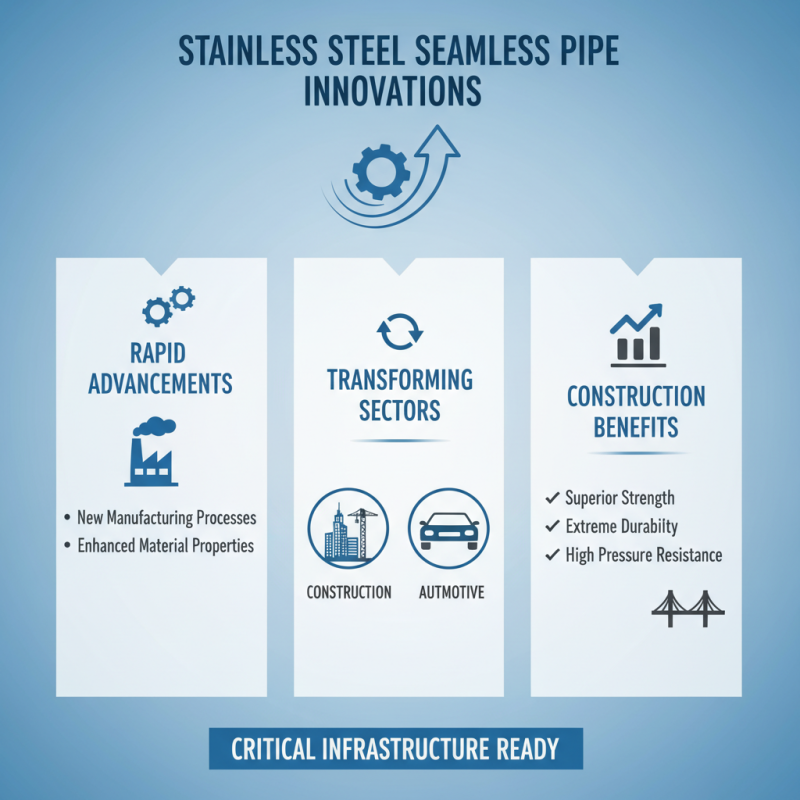
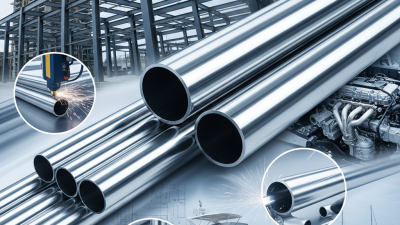
The stainless steel seamless pipe industry is experiencing rapid innovations. These advancements are transforming various sectors, such as construction and automotive. In construction, seamless pipes are gaining popularity for their strength and durability. They can handle high pressures that traditional pipes cannot, making them ideal for critical infrastructure.
Automotive applications are also evolving. Seamless pipes are becoming essential in engine exhaust systems. Their ability to resist corrosion is crucial for longevity. Additionally, manufacturers are exploring lightweight designs. This helps improve fuel efficiency. Not all innovations are perfect; some designs face manufacturing challenges. This requires continual assessment and improvement.
Moreover, the energy sector is tapping into seamless pipe technologies. These pipes are used in oil and gas industries for transportation. Their seamless nature allows for safer, more efficient transport of materials. However, there is still a risk of leakage or failure. Companies must invest in better quality control and testing. The potential is vast, but the industry must address these challenges head-on.